
It is common knowledge that most men fail their phimosis stretching. Not because it doesn’t work, but because they do it incorrectly.
Stretching mistakes can slow progress and cause pain or tearing which will end up making the foreskin become less elastic, making the whole situation worse than what it was before. Let me tell you now… you do not want this.
I am writing this article to try to protect you guys from any unnecessary setbacks during your healing, because mistakes are common, and it’s really easy for someone to just want to get stuck into it without really thinking it through. Like trying to sprint a marathon — it feels productive at first, but it guarantees failure later on.

Just remember that the decisions you make now are going to affect the rest of your life, I cannot emphasize more the need for you to think everything through before going ahead with your stretching, and reading this article is a great first step.
Correct phimosis stretching technique is way more important than speed. You will not cure yourself quicker by trying to force things, you will end up two steps back when you could have been one step ahead.
What are we stiving for?
The goal of phimosis stretching is gradual skin expansion, not forceful opening.
Healthy stretching should feel uncomfortable but not painful. I like to keep myself fit by going to the gym and playing lot’s of sports, we all know the old saying “no pain, no gain”, and that is absolutely correct in that world. But in our world guys… it’s the opposite.
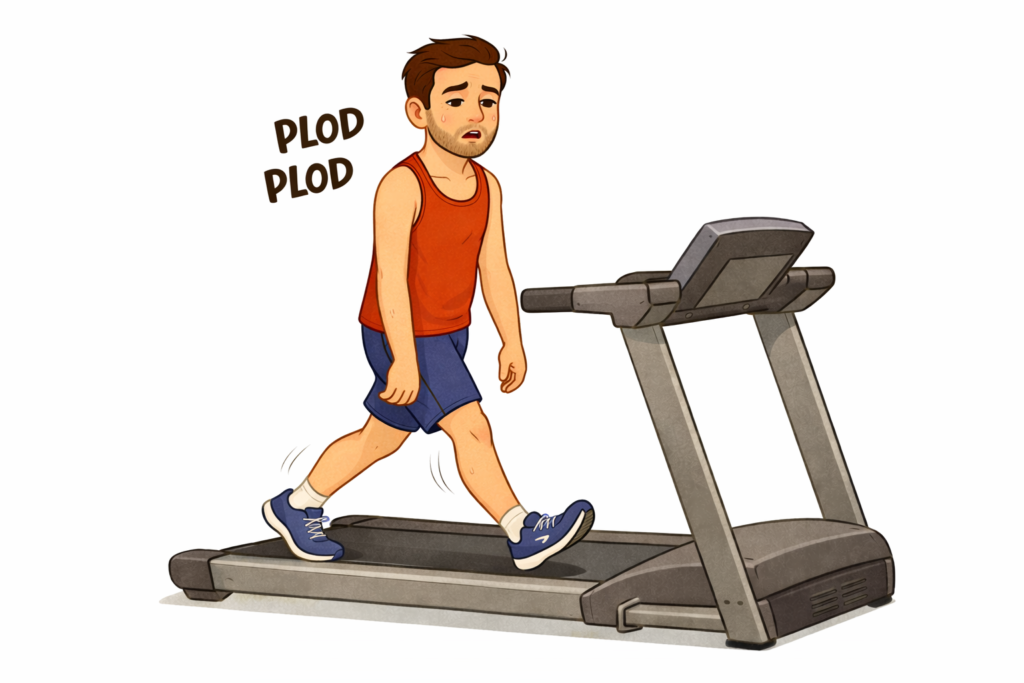
You need to be like that guy in the gym who can’t really be bothered, only half heartedly lifts his weights and likes to do light jogging on the treadmill.
That guy is never going to improve his fitness, but in our world that kind of behaviour is paramount to improvement. Anything other than slow, gradual and mildly uncomfortable will not give you results. These slow stretching exercises will encourage skin elasticity to increase over time.
Mistake #1: Force is the fastest way to fail…
The long and short of it is this… The best way to know if you are forcing your phimosis stretching, is by feeling pain when doing it. If you feel pain, just ease off a little bit, you need to find that sweet spot between pain and discomfort.
If you stretch too much you will end up with tiny little microtears around the ring of your foreskin, you may not even be able to see them but trust me, they will be there.
These microtears will then heal and, like any wound, scar tissue will form to protect the area from further injury. This scar tissue is extremely rigid and does not consist of the elasticity we are looking for.
Mistake #2: Stretching too often
Back to the gym with the half-hearted runner.
When a person is trying to improve their strength, the body needs time to recover and adapt to the changes being made. People have rest days as part of their routine, this is where the real gains are made. This is absolutely no different during phimosis stretching.
The foreskin will need to be given time in-between stretching to allow for the elasticity to improve, and you must give it what it wants.
Stretching too often will not give the foreskin time to recover and adapt and that will, again, lead to all the things we don’t want… inflammation, swelling, microtears, scarring… all the bad stuff.
One or two stretching sessions a day is absolutely fine, at around ten minutes per session. Remember, quality over quantity.
Mistake #3: Ignoring pain, tearing, or bleeding
Similar mistake to number 1 but it is well worth trying to drill this one in, it’s amazing how many men make this third mistake.
I know how it feels, you want to keep pushing through with it and you feel you must push through the pain to get your results. That cannot be further from the truth here and this will just set you back to the point where surgery may be the only curing method left available to you.
It’s so easy to feel good about keeping up your phimosis stretching, feeling like you’re getting somewhere with them, then you get a very small injury and you don’t want to have to stop through fear of losing your progress.
I can tell you now guys, you won’t lost your progress. Just stop, let your body heal fully first before you start up again. This is a marathon not a sprint and almost every decision you make during this period will affect you for the rest of your life. Healing setbacks are far better than pushing through injury.
Mistake #4: Stretching without proper warm-up or lubrication
For any of you sportsmen out there, we’ve all done it…
It doesn’t matter if you’re a football player, rugby player, basketball player etc… we’ve all turned up to a match and started it without proper warm up.
I used to just want to get into the good stuff and I would forgot about all the preparation that was needed beforehand.
Well, it’s no different with your phimosis stretching… You MUST warm up to it.

If you can, have a warm shower or bath before. Warm skin is way more elastic than cold skin and you will greatly reduce the risk of friction and microtears.
Using creams hand in hand with stretching are also a good idea, I have written an article on the best creams available (and which ones to avoid), which I recommend reading before buying anything.
It’s also important to avoid drying or harsh soaps on the foreskin, as these can strip natural oils and make tight skin more irritated and less elastic.
Traditional bar soaps, heavily fragranced body washes, antibacterial soaps, and products containing sulfates (such as SLS or SLES), alcohol, or strong detergents are especially problematic for the sensitive foreskin area.
These products can cause dryness, redness, micro-irritation, and even worsen tightness over time, which works directly against stretching progress. The skin under the foreskin is thinner and more delicate than most other areas of the body, so aggressive cleansing is unnecessary and often harmful.
For daily hygiene, warm water alone is usually sufficient, and if a cleanser is needed, it should be mild, fragrance-free, and designed for sensitive skin. Avoid scrubbing, and focus on gentle cleaning to keep the skin healthy and responsive to stretching.
Mistake #5: Using unsafe or DIY tools
Most of you will laugh at this… But some of you will be thinking about that time you failed miserably by using a coin or bottle cap as a makeshift phimosis stretching ring.
Let me tell you now, it’s happened before and I’m sure it will happen again… don’t be that guy. If you want some physical stretching aids, there are clinically tested products on the market that can really help.
If you don’t use the correct tools and go for a DIY approach, you will risk serious injury and complications. These DIY items are not designed for medical use, do not distribute pressure evenly, and can easily cause restricted blood flow, sudden tearing, nerve damage, swelling, or scarring.
Some objects can also become stuck, leading to emergency situations. Because foreskin tissue is thin and highly sensitive, using makeshift tools dramatically increases the risk of injury and can actually make phimosis worse rather than better.
Stretching should never involve items that weren’t specifically designed for foreskin safety, and if an approach relies on force, constriction, or DIY devices, it’s best avoided entirely.

Mistake #6: Expecting immediate results (impatience)
This is no different to those get-rich-quick schemes that promise you the world and give you absolute nothing other than a hefty invoice. Here are two 100% true statements:
- You will not get rich quickly and easily
- You will not cure your phimosis quickly and easily
In todays age of instant gratification, people are always looking to cut corners on their way to getting what they want. But not you and not me, we’re in the business of patience and consistency and we know that what we want (a fully functional penis) is in the realm of the long-term, not the short-term.
Stretching works on a weeks-to-months timeline, and early progress may be subtle. Sometimes it’s hard to know if you’re making progress at all, which is why I highly recommend taking notes and even pictures to compare different moments of your journey.
It’s also important to know that plateaus are normal, sometimes men will give up during these phases of no progression as they believe they’ve come as far as they can. They start to look at other, more invasive methods for no reason, when they should just keep going.
Remember, consistency beats intensity, and progress happens quietly.
Mistake #7: Not knowing when to pause or seek medical advice
Phimosis stretching is for a lot of men suffering with phimosis, but it’s not for all.
For a small amount of phimosis cases, stretching will not work. This could be due to a few different things, the most likely being that the phimosis has arisen later on in life due to scarring. In this particular case, stretching would be pretty useless as the foreskin is not elastic enough.
If you’ve been trying stretching in the right way for a few months and haven’t seen any results, it may not be for you. I would first make sure you are definitely doing it right, it could be that you’re going too easy and could maybe add a bit more force (remember though: NO PAIN).
If you suspect your efforts are being done correctly but they’re not giving you any results, don’t just keep on going with it. You should seek medical advice from a trained professional, these guys will know what’s best for you and your particular case.
Final Thoughts: Phimosis Stretching Mistakes
If there’s one thing you should take away from this article, it’s this: phimosis stretching can work — but only when it’s done correctly.
Most failures don’t happen because stretching is ineffective, they happen because of impatience, force, or simple lack of understanding. Every mistake you avoid saves you weeks or even months of unnecessary setbacks, frustration, and anxiety.
Slow, gentle, and consistent stretching gives your foreskin the best possible chance to respond and heal the way it’s supposed to.
This journey isn’t about rushing to the finish line — it’s about making smart decisions that protect your long-term health and quality of life. Listen to your body, respect pain signals, allow time for recovery, and don’t be afraid to pause or seek help if something doesn’t feel right.
You’re not weak for being cautious — you’re being intelligent. Stick to safe methods, avoid the common traps outlined here, and give yourself the patience this process demands. Done properly, you give yourself the best chance of success without regret.