
This website is here to support all of you who are researching phimosis and trying to figure out the best path toward a cure. I’ve been in your shoes—and in many ways, I still am—but now I’m doing my best to help steer the boat toward safer shores for anyone going through the same phimosis journey.
What is it?
For the phimosis first timers, phimosis is a condition that affects the foreskin of the penis, whereby it is too tight to fully retract over the head. It is not a serious condition, a man can live with phimosis for the rest of his life, but there are many complications that make living with phimosis not very fun… to say the least.
The complications arising from phimosis come in all different shapes and sizes… hygiene, sex, risk of emergency events like paraphimosis, the list is pretty long.
Sweet Beginnings…
I slowly realised I had phimosis throughout the duration of my teens, I had frequent infections growing up, and when I started trying to have sex… things weren’t exactly working.
I can remember how I used to be so annoyed at the fact I had phimosis… why me? 1% of men in the world have this condition and I had to be within that 1%…
Looking back now, I realise just how much those early infections shaped my relationship with my body, even if I didn’t understand it at the time. Whenever the area became sore or irritated, I’d just assume it was another “kid thing,” like scraping your knee or catching a cold.
I never connected the dots, never thought, maybe this isn’t how it’s supposed to be. I just accepted the cycle: struggle to clean, get an infection, wait for it to settle down, then carry on as usual.
What made it even more confusing was that no one ever talked about this stuff—not at home, not at school, not with friends. Anything to do with genitals was wrapped in embarrassment and silence. So how was I supposed to know that what I was experiencing wasn’t something every boy went through? I didn’t have the language for it, and I definitely didn’t have the confidence to ask questions.
Because of that, I developed a kind of quiet tolerance. I’d put up with discomfort, brush off pain, and convince myself it wasn’t a big deal. In a strange way, I almost normalised the whole routine. It wasn’t until much later that I realised just how unusual—and unnecessary—that struggle really was.
As I Got Older…
As time went on, it became harder to pretend everything was fine. The signs were there, becoming louder and more obvious with every passing year. I couldn’t have sex without feeling a sharp, uncomfortable pain, and after a while I just started avoiding sexual situations altogether.
You can dodge only so many opportunities before your loud, overly curious mates start questioning things. And trust me—my friends were not the type to let anything slide quietly. To them, ducking out of a sexual encounter was nothing short of a social crime, and I was apparently a repeat offender.
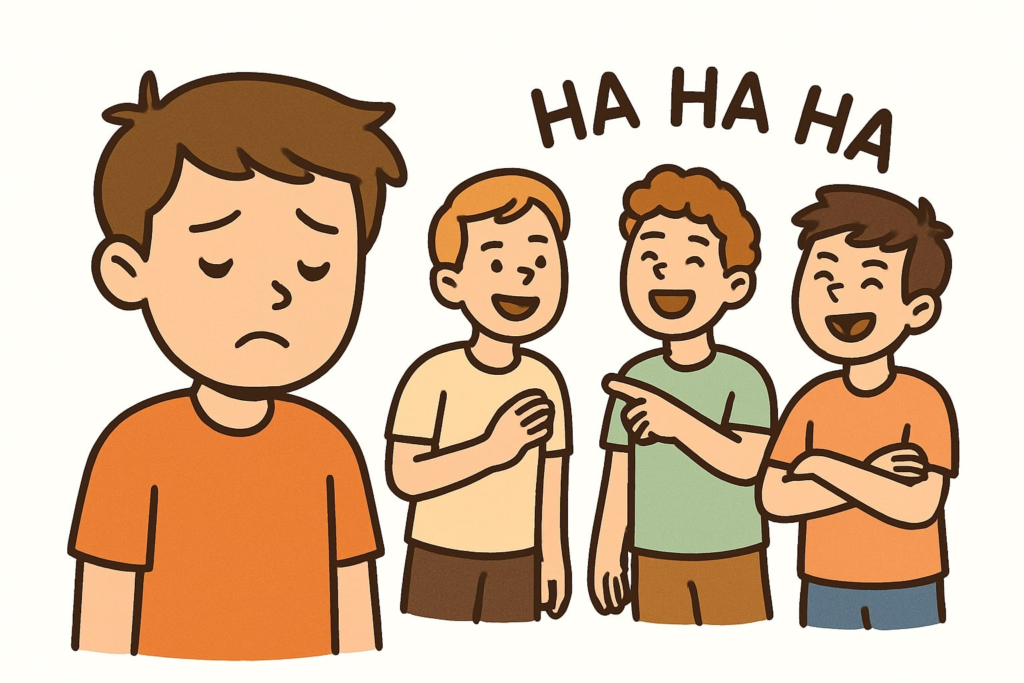
That whole period left its mark on me. While everyone around me seemed to be diving head-first into the world of teenage relationships and sexual discovery, I felt stuck on the sidelines, watching the game play out from a distance. It wasn’t jealousy exactly; it was more a sinking feeling that I was missing out on something everyone else got to experience effortlessly. That can chip away at your confidence without you even noticing.
It was around then that I finally started researching what was actually going on. I learned the word phimosis, and suddenly everything made sense.
Back then—about fifteen years ago—the internet didn’t offer the range of solutions you can find today. I didn’t stumble across products like Novoglan or Phimostop, if they even existed then. What I did find were big, impersonal medical websites spelling out the condition in clinical language, listing a few stretching techniques, and then getting straight to the point: “You’ll probably need circumcision.”
So I tried the only natural option I thought I had—manual stretching in the shower. And I’ll be honest: I failed miserably. No matter how consistent I tried to be, nothing really improved.
It was frustrating, demoralising, and felt like yet another reminder that this wasn’t something I could ignore anymore, this phimosis journey was a long one…
Enough is Enough
When I was 19 and about a year into university, it was actually my new girlfriend who finally gave me the push I needed to speak to my parents. I’d spent years avoiding that conversation, convincing myself it would be unbearably awkward and embarrassing.
At that age, anything remotely personal felt impossible to bring up—especially something like this. But eventually, I bit the bullet and told them.
And here’s the funny part: it was absolutely fine.
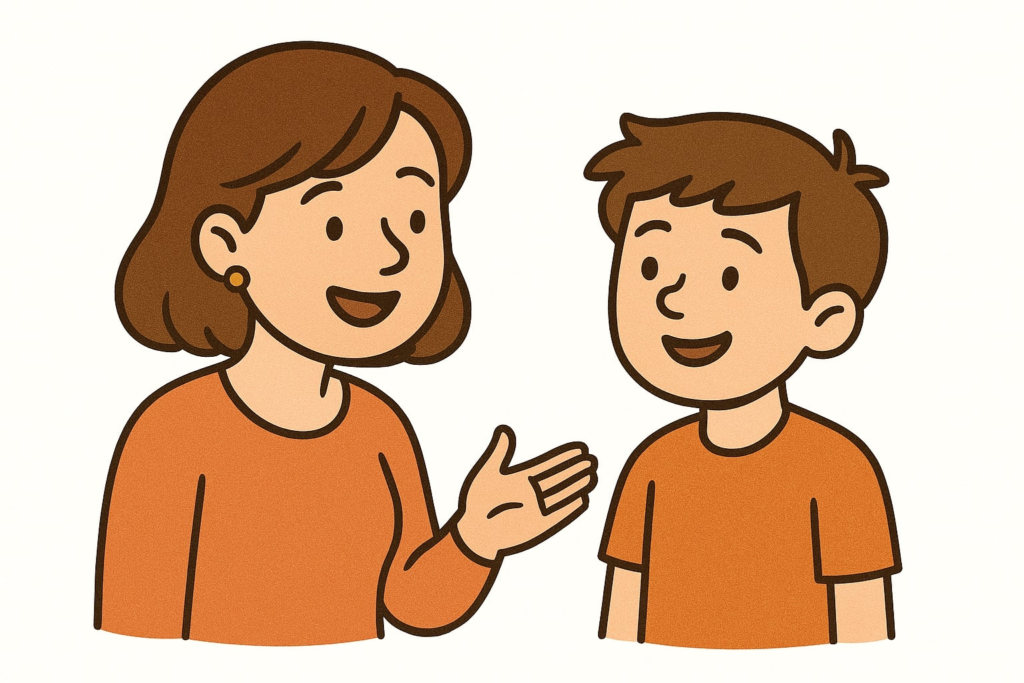
All those years of stressing over it, and the conversation lasted minutes. My mum was incredibly understanding and just wanted to help in any way she could. Then I learned something that completely changed how I felt…
My dad had dealt with the exact same issue when he was younger. Suddenly, it didn’t feel like such a strange, isolated problem anymore.
Living in the UK, I’m lucky to have the NHS. The whole process from that point onwards was straightforward and supportive. The consultation went smoothly, and the doctors were calm, reassuring, and completely unfazed—because they see conditions like this every single day. Once you realise that, it becomes a whole lot easier to whip it out in front of them!
I’m currently working on a separate article that goes into the full circumcision process in much more detail, and I’ll be linking it here once it’s published.
Am I Happy with the Outcome?
Although I don’t regret having the circumcision, I do sometimes wish I’d given stretching a more serious attempt before choosing surgery.
Back then, I simply didn’t have the patience for manual stretching, and as I’ve mentioned, I wasn’t aware of products like Novoglan or Phimostop—if they were even available at the time. Had I known about them, I would have absolutely tried those options first.
The main reason is that, without a foreskin, the head of the penis becomes permanently exposed, and over the years that does lead to a noticeable reduction in sensitivity…
After around 15 years without a foreskin, I can say from personal experience that sensitivity does gradually decrease as time goes on. This isn’t just something I’ve felt personally—there’s research backing it up. A U.S. government–funded study involving 1,059 men (310 of whom were circumcised) found that the circumcised participants reported lower sexual pleasure and reduced orgasm intensity compared to those who were uncircumcised.
Every experience is unique, of course, but it’s important information for anyone considering circumcision to be aware of.
Final Thoughts: My Phimosis Journey
Looking back, the whole phimosis journey—from the confusion of childhood infections to the stress of teenage years and finally facing circumcision—shaped my confidence far more than I realised at the time.
For years, I saw phimosis as something that made me “different,” something to hide, something embarrassing. But confronting it head-on forced me to understand my body in a way most people never have to. It taught me resilience, patience, and the importance of taking ownership of your health, even when the topic feels uncomfortable.
More importantly, it helped me grow emotionally. For so long, I avoided the conversations that scared me—whether with friends, partners, or even my parents. Pushing through that fear showed me that the things we dread are often far less terrifying once spoken aloud. If anything, opening up became a kind of liberation.
That’s exactly why I believe talking about phimosis matters. Silence only breeds shame, confusion, and unnecessary suffering. When we share our stories, we make space for others to feel understood.
So if you’re reading this because you’re struggling or searching for answers—know this: you’re not alone, and you’re not broken. Whatever path you choose, help is out there, progress is possible, and relief is absolutely within reach.
Your journey may feel overwhelming right now, but it can lead to confidence, comfort, and real self-acceptance.

That’s exactly why I believe talking about phimosis matters. Silence only breeds shame, confusion, and unnecessary suffering. When we share our stories, we make space for others to feel understood.
So if you’re reading this because you’re struggling or searching for answers—know this: you’re not alone, and you’re not broken. Whatever path you choose, help is out there, progress is possible, and relief is absolutely within reach.
Your journey may feel overwhelming right now, but it can lead to confidence, comfort, and real self-acceptance.